
How Equipment Management Now Keeps Every Camera, Lens and Cable Accounted For
A look at how whisperra's equipment management tools now track cameras, lenses, monitors and cabling across studios, with a maintenance log and booking calendar attached to each item.
5 min read
Why we gave equipment its own record
For a long time, studio kit lived in three places at once: a spreadsheet kept by one engineer, a whiteboard in the corridor, and the memory of whoever had set up the last show. Most of the time that was enough. When it was not, a lens turned up in the wrong studio an hour before a bulletin, or a monitor with a known fault was booked for a live entertainment night.
This autumn we have brought the equipment side of whisperra together so that every camera, lens, monitor and run of cabling has a single record. Each record shows where the item is, who has it booked, and what has been done to it. Nothing about the idea is clever. It simply stops the same question being asked in the corridor, by phone and by message.
Daniel Okafor and the studio engineering group have used the records in daily work for several months, and the changes below come from what they and our client crews asked for.
What a record holds for each item
Every item carries a short, plain description: what it is, which studio it normally belongs to, and where it is stored when it is not in use. Cameras and lenses are linked, so a crew can see which lens barrels are matched to which bodies rather than guessing from a label on a case.
Alongside that sits the maintenance log. Cleaning, repairs, firmware updates and inspections are written down by the person who did the work, with a note of what they found. When a cable is retired or a monitor is sent for repair, the reason stays on the record, so the next person does not repeat the same test or trust something that failed before.
Cabling is handled the same way, grouped by type and length, because a missing twenty metres of the right sort is a more common cause of delay than a broken camera.
- Location and home studio
- Linked lenses and accessories
- Dated maintenance entries
- Notes left by the last user
Booking calendars that match how studios work
Each item has its own booking calendar, and a studio's schedule is the sum of the items it needs. A producer planning a recorded entertainment show can see at once whether the second jib is free on the recording day, and whether it clashes with the newsroom's morning bulletin on the same floor.
We kept the calendar deliberately simple. A booking names the item, the studio, the production and the person responsible, with times for collection and return. There are no layers of approval unless a client asks for them, because most studios already have a rule about who can release kit and we would rather follow it than replace it.
Where two bookings overlap, the calendar says so plainly at the time of booking rather than after the fact.
What changes for the crew on the floor
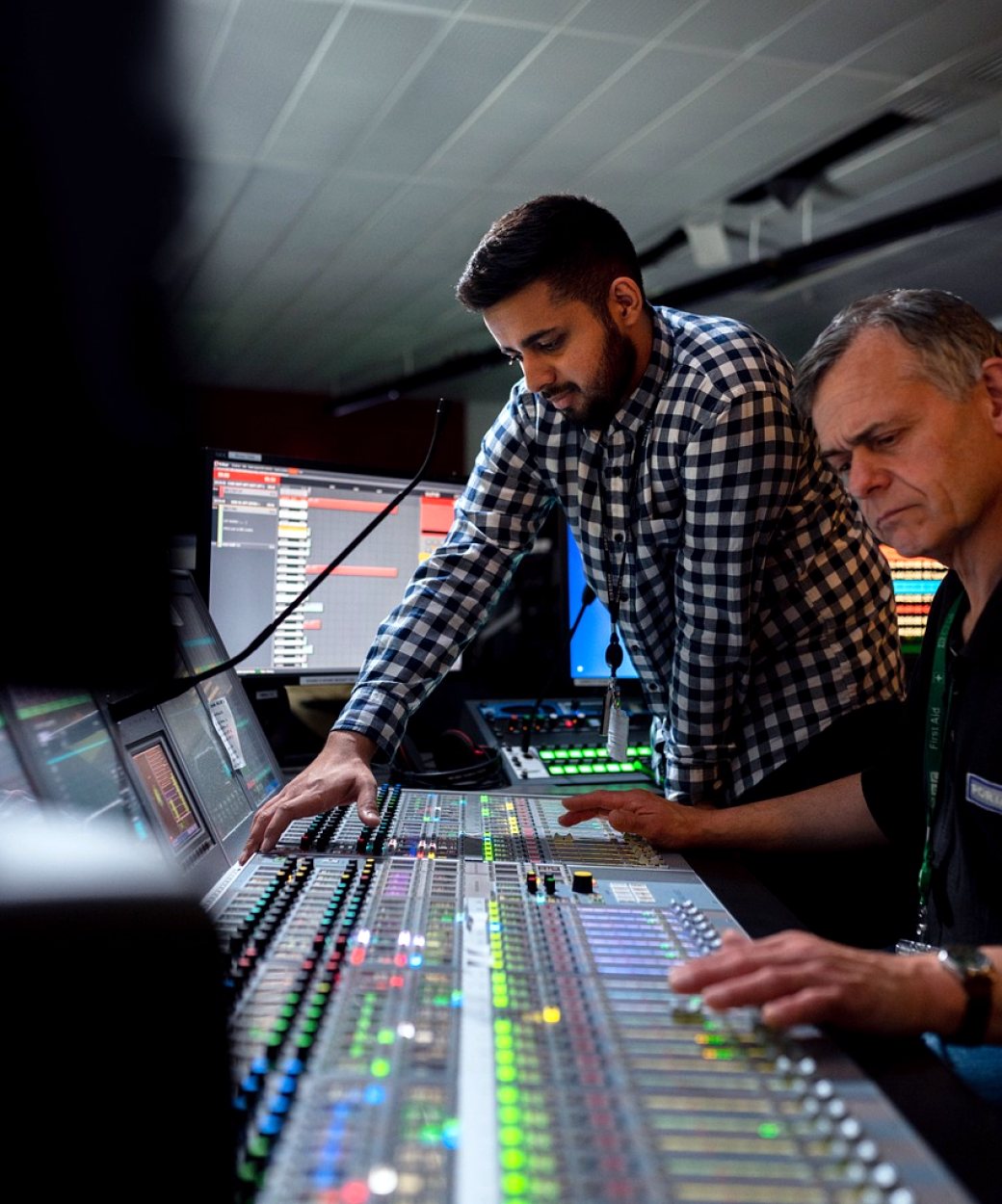
The people who feel it first are floor managers and camera operators. Before a show, they can open the list of kit assigned to their studio and check it off against what is physically there. If something is missing, the record shows who last signed it out and where it was meant to return.
At the end of a session, the same list works in reverse. Anything that behaved oddly can be noted in a sentence while it is still fresh, rather than relied upon to be remembered at the next engineering meeting. Those notes feed straight into the maintenance log.
Engineers tell us the biggest saving is not time but certainty. They arrive for a morning check already knowing what was flagged the night before, and can start with the item most likely to need attention.
Planning maintenance around the broadcast week
Maintenance in a television studio is always a negotiation with the schedule. A camera cannot be taken apart on the day it is needed, and a monitor wall cannot be recalibrated during a live bulletin. Because the booking calendar and the maintenance log sit together, quiet gaps become visible.
Rather than waiting for a fault, engineers can book an item out for inspection in the same way a producer books it for a show. That keeps routine work visible to everyone and stops it being squeezed out when the week fills up.
As the darker months approach and entertainment schedules tend to fill, this is the sort of planning that pays back. Items that have been looked at calmly in a quiet week are far less likely to fail during a busy one.
- Book inspections like any show
- Spot quiet gaps in the week
- Keep repair history with the item
Equipment management is the part of whisperra that least resembles a headline feature, and that is rather the point. When every item has a place, a history and a calendar, crews spend less time hunting and more time preparing. If your studio would like to see how the records could look for your own kit, write to us through the contact page and Daniel's team will go through it with you.
Send us a message
- Phone
- 01206 574318
- [email protected]