
A Newsdesk Lit Three Different Ways: Lena's Lighting Presets
Lena ran a regional bulletin studio where the newsdesk looked different at every show. This is how a shared lighting plot and saved presets settled the look across the week.
5 min read
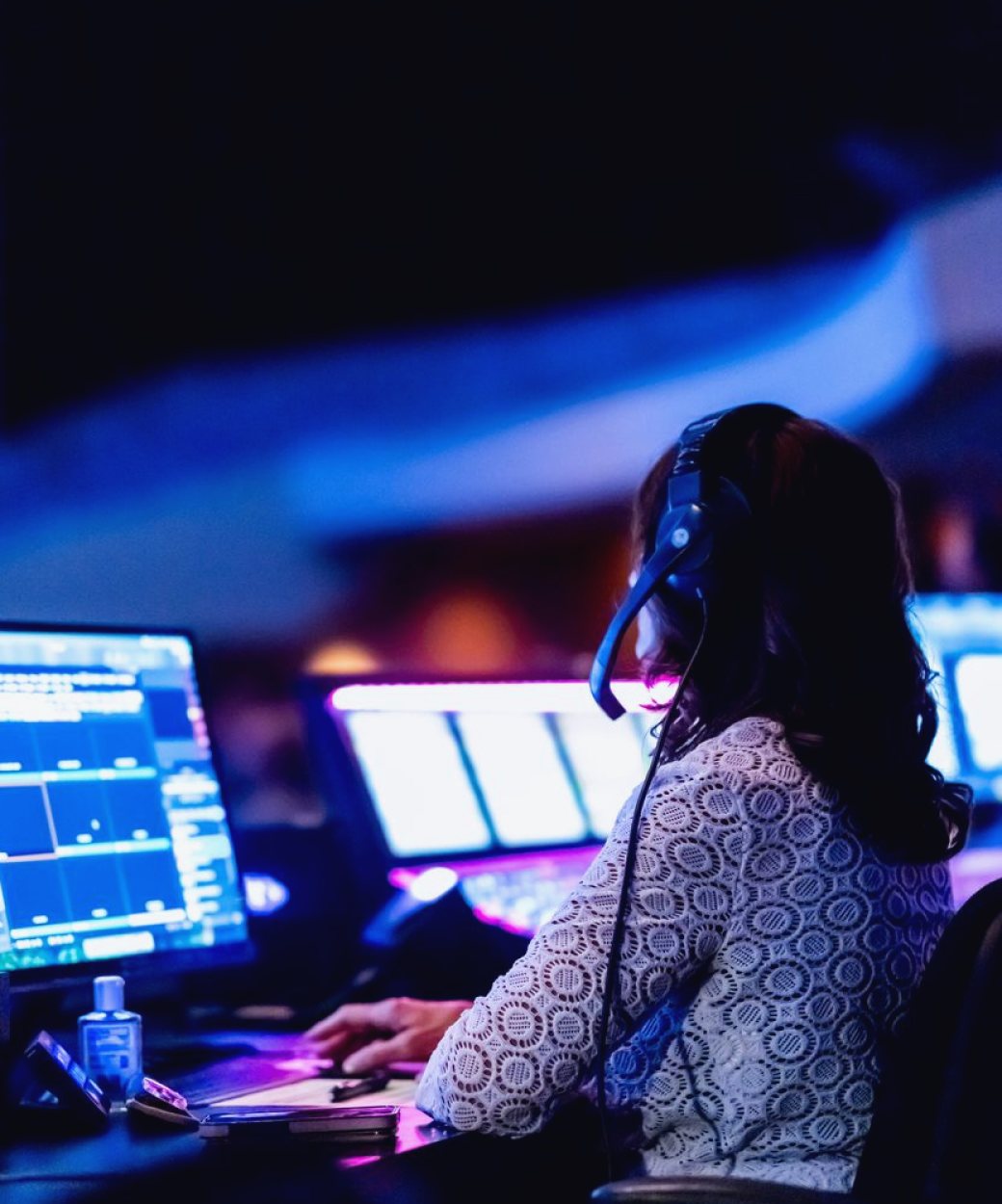
A newsdesk that never looked the same twice
Lena manages a small studio that records a regional bulletin and shares the floor with a weekend entertainment programme. When she first spoke to us, her main complaint was not a broken lamp or a missing cable. It was that the newsdesk looked slightly different every time the presenter sat down. One evening the skin tones were warm, the next they were cooler, and the background panel changed from a soft blue to something closer to grey.
She had a good lighting crew, but the crew changed from shift to shift, and each person set the rig from memory or from a note stuck to the grid winch. Nobody was doing anything wrong. The studio simply had no single place where the finished look was written down, so every show started from a small guess and ended with a few minutes of adjustment while the clock ran.
What the studio already had in place
Before we changed anything, Lena and I walked the floor together. There was a paper plot pinned in the gallery, last updated after a set change the previous spring, and a folder of photographs taken on a phone. The desk had moved about thirty centimetres since then, and two of the fixtures on the plot had been swapped for different models.
This is common in studios that have grown by habit. The knowledge exists, but it lives in a few heads and a few scraps of paper. Lena was candid that she had stopped trusting the plot, which meant the crew had stopped using it, and the document had become decoration. Our first job was simply to agree on what the true state of the rig was, fixture by fixture.
- Paper plot out of date after a desk move
- Two fixtures replaced without a note
- Phone photographs standing in for a reference
Building one plot and naming the looks
We rebuilt the lighting plot for the newsdesk first, since it was used every day. Each fixture was listed with its position on the grid, its purpose, and its typical level. We kept the plot plain on purpose: one view for the lighting crew, one shorter view for the floor manager who only needs to know what is on and roughly where.
Then we turned the working levels into named presets. Lena chose the names herself: bulletin, headline update and weather corner. Each preset recorded the desk key, the fill, the backlight and the background panel together, so that choosing a look meant choosing one name rather than rebuilding it from six separate decisions. The weekend programme received its own set of presets on the same system, kept apart from the news looks.
The first week with shared presets
The first bulletin with the new presets was not dramatic, and that was the point. The crew member on shift, who had never worked that desk before, opened the bulletin preset, checked the plot against what hung above the set, and was ready well before the rehearsal slot. Lena told me the quiet was almost unsettling.
A few things did need correcting. One backlight had been recorded at a level that suited the previous presenter and looked harsh on the current one, so the crew trimmed it and saved the change as a revision, with a short note about why. That habit mattered more than any single fixture: when a look is altered, the reason is written beside it, and the next person inherits the explanation rather than a mystery.
Keeping the look steady when the set changes
A few weeks later the desk was moved again, this time by about half a metre, to make room for a new camera position. In the old routine that would have quietly broken the plot once more. This time the crew updated the fixture positions the same afternoon, tested each preset against the new layout, and recorded the dates of the changes.
Lena now treats any set change as a small lighting job in its own right, with a named person responsible for the plot. She also asked for a seasonal check of the rig, since autumn mornings and shorter daylight alter how the studio feels when the doors open and the building lights come on around the set. The presets give her a stable base to compare against.
- Update positions the day the set moves
- Test every preset on the new layout
- Note the reason beside each revision
What we took from working with Lena
The lasting lesson was how little technology the fix required. Lena did not need new fixtures or a larger crew. She needed one agreed description of the rig, a handful of presets with sensible names, and a habit of writing down changes. The consistency she wanted came from that discipline rather than from anything clever.
For us, it confirmed why lighting design support is more about continuity than about invention. A good plot is a way of handing the studio from one shift to the next without losing anything on the way.
Lena's studio looks the same on Tuesday as it did on Monday, and her crew no longer spend the first quarter hour of rehearsal chasing a colour they cannot quite remember. If your newsdesk or stage drifts from show to show, start small: write down the true state of the rig, name two or three looks, and record every change with a reason. The plot and presets do the steady work, and the crew keeps its attention for the programme itself.
Send us a message
- Phone
- 01206 574318
- [email protected]